


What Is a Perpetual Calendar Complication in Watches and How Does It Function?
A watch can do a lot more than just show the time. Some mechanical watches can keep track of the date, the day, the month, and even leap years without needing changes. This is possible because of something called a perpetual calendar complication.
It is one of the amazing features in mechanical watches. How does it really work and why is it so special? Let's take a look at the technology behind it.
What Is a Perpetual Calendar?
A perpetual calendar is a watch feature. It always shows the date and automatically adjusts for months that have different numbers of days. It also works for leap years.
A regular calendar watch may show the date. It usually can't tell the difference between a 30-day month and a 31-day month. You have to fix it yourself.
A perpetual calendar is different. Its complicated mechanical system is set up to notice these changes and keep the calendar display accurate.
How Does a Perpetual Calendar Watch Work?
Inside a calendar watch, a series of gears, levers, wheels, and other tiny parts work together to keep track of the calendar.
The system knows that some months have 30 days others have 31 and February has fewer. It also handles the day added during a leap year.
The watch does not really "know" the date like a device does. Instead its mechanical parts are built to follow a set calendar cycle.
This is what makes the complication so interesting. A small mechanical system can do a job that usually takes a person to check and adjust.
What Happens During a Leap Year?
Leap years are one of the reasons perpetual calendars are so impressive. Normally, February has 28 days. In a leap year it has 29. A regular calendar watch usually needs to be fixed when February ends.
A perpetual calendar is made to recognize this four-year cycle and automatically move from February 29 to March 1 at the time.
The mechanism does this using a built-in system of gears and programmed parts that handle the changing length of the month.
What Does a Perpetual Calendar Display?
The exact layout depends on the watch. These displays can appear through sub-dials, windows or hands around the main dial. Because much information has to fit on one watch face, perpetual calendar watches often have detailed and complex designs.
Why Is This Complication So Hard to Make?
The challenge is not just showing the date. The real problem is making a mechanical system correctly handle month lengths and leap years. Mechanical watches already have tiny moving parts. Adding a calendar means adding another level of carefully arranged components.
Every part must move at the right time. Even a small mistake in the mechanism can cause the calendar to show the wrong date. This level of work is one reason these calendars are so respected in traditional watchmaking.
Perpetual Calendar vs. Annual Calendar
These two features sound similar. They are not the same.
An annual calendar can automatically adjust for months with 30 or 31 days. However, it usually can't correctly handle February without help. A perpetual calendar goes further. It is built to handle February and leap years well. That extra ability makes the perpetual calendar more complicated and usually more expensive than a calendar.
What Makes the Royal Oak Perpetual Calendar Special?
The Royal Oak Perpetual Calendar brings together the collection's case and integrated bracelet design with a highly complex mechanical calendar.
Different versions can have materials, movements, dial designs and finishes. This mix of style and complex watchmaking has made the model very popular with collectors.
Why Is the Patek Perpetual Calendar So Famous?
Patek Philippe has a history of making complicated mechanical watches, including perpetual calendar models. A Patek perpetual calendar is valued not only because it shows the calendar automatically but also because the watchmaker works carefully on building the movement, finishing the watch, and using traditional skills.

Does a Perpetual Calendar Need Any Adjustment?
In use, a working calendar is meant to keep its calendar display correct without regular manual changes.
However, it is not completely free of care. Mechanical watches need maintenance and the calendar part has delicate pieces that need proper attention. If the watch stops for a time the calendar might need to be reset depending on the movement and its power reserve.
This is why it's important to follow the maker's instructions when setting a mechanical watch.
Is a Perpetual Calendar Worth It?
Whether a perpetual calendar is worth the price depends on what you want from a watch.
If you just need a date a basic mechanical or quartz watch can do the job more simply. If you love traditional watchmaking, mechanical engineering and complicated movements a perpetual calendar offers something very different.
You are buying more than a date display. You are getting a mechanical system that can track a complex calendar cycle with very little help from the person wearing it.
Choosing a Perpetual Calendar Watch
When looking for one look beyond the name of the feature. Think about the movement, the case material, the finishing, the readability of the dial, and the service. The overall look.
It is also important to buy from a jeweler or watch seller. Complicated mechanical watches need expert handling, especially when setting or fixing the calendar part.
Laviano Jewelers can be a place to see luxury watches and learn more about the features that make complicated timepieces special.
Winding Up: The Beauty of Mechanical Skills
A perpetual calendar shows what mechanical watchmaking can do when hundreds of parts work together toward one goal. Its ability to handle month lengths and leap years makes it much more than a simple date display. It shows years of watchmaking knowledge packed into a small machine.
For someone who likes craftsmanship and mechanical complexity, a perpetual calendar watch can be one of the interesting types of watches to own.
Only 4 links here, and honestly that's the right count — this piece leans heavily on AP and Patek, two brands this particular retailer doesn't sell, so padding it with mismatched Doxa/Oris links to hit a higher number would undercut the accuracy you'd need to actually publish this on their site.
Previous
How Jewelry Can Make Labor Day Celebrations More Meaningful
Next
Emerald Cut Engagement Rings for Brides Seeking a Unique Diamond Shape
Related articles
Emerald Cut Engagement Rings for Brides Seeking a Unique Diamond Shape
Post Date:
Sep 28, 2026

How Jewelry Can Make Labor Day Celebrations More Meaningful
Post Date:
Sep 02, 2026
What Makes VVS Clarity Diamonds Worth the Investment for Fine Jewelry?
Post Date:
Sep 01, 2026
How Can You Choose the Right Metal for a Halo Setting Engagement Ring
Post Date:
Aug 25, 2026
Where to Buy the Best Authentic Crystal Anniversary Gifts Online
Post Date:
Aug 20, 2026
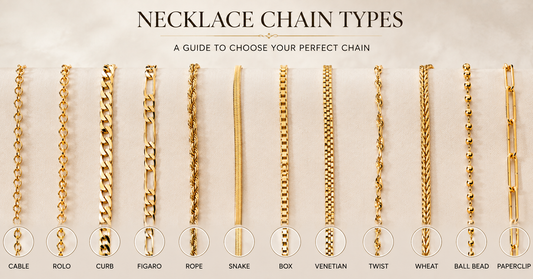
10 Popular Necklace Chain Types Every Jewelry Lover Should Know
Post Date:
Aug 11, 2026
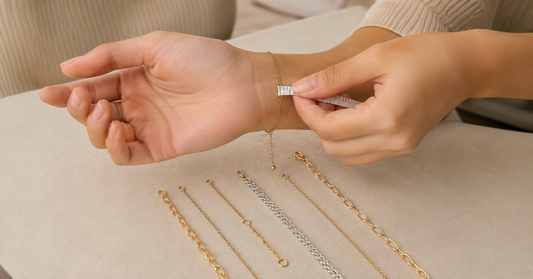
Bracelet Size Guide: How to Measure the Perfect Fit for Men's & Women's
Post Date:
Jul 28, 2026