


How to Identify a Quality Diamond Engagement Ring Before You Buy
Diamond engagement rings are part of an occasion, a promise of being together. Rings are endless in number! It is hard to select the best one. Be it a vintage or lab-grown diamond, determining what makes a diamond even more special will enable you to make a smart buy. This guide will present the key points, which will make you grab that ring that will be as bright as your love.
Learn the 4Cs of Diamonds.
The four Cs are the basic standards of diamond quality. They become the components of a perfect ring. Let’s go through each one.
1. Cut: What Makes It Sparkle
The cut decides how much a diamond sparkles. A good cut catches light and makes the ring dazzle. A bad cut? The diamond looks dull, even if it’s big. Cuts are rated as Excellent to Poor. The most favored engagement rings are the round diamonds because they are also the brightest. However, other shapes like oval or pear are also beautiful. Make sure that the cut is of high quality.
2. Color: Keep It Bright
There are different colors of diamonds, such as yellowish to colorless. The duller the colour, the better the stone. They’re graded from D (no color) to Z (light yellow). For most people, G to I grades look almost colorless and save you money. When a white gold or platinum band is selected, a higher grade of color must be used to ensure the diamond is bright.
3. Clarity: Look for Clear
Clarity refers to minute imperfections within or on the diamond. These imperfections, referred to as inclusions, are often so minute that they cannot be seen without a magnifying glass. The grades of clarity can be Flawless (perfect) to Included (visible flaws). VS2 or SI1 grades are wonderful with diamond engagement rings. You won’t see flaws, and you’ll spend less than on a perfect stone.
4. Carat: Size Isn’t Everything
The weight of a diamond is known as a Carat, and influences the size of the diamond. The larger is not necessarily the better. A small diamond of great cut may be more sparkling than a big lower cut diamond. A diamond of 1 carat is a standard choice, and even a stone of 0.5 carats may look fantastic with the right cut.
Look at More Than the 4Cs
The 4Cs are quite essential, yet that is not all a diamond is. There is the matter of things such as fluorescence, symmetry, and polish, too. Diamond is able to glow fluorescently with certain lights. A small amount of color is alright, but excess would cloud the stone, particularly with lower-colored diamonds. A safe alternative is to stick with none or faint fluorescence. Symmetry and Polish refer to the quality with which the diamond was cut and polished. The diamond is given a good shine through good polishing and symmetry. To check these details, check the certificate of the diamond.
Pick a Trustworthy Jeweler
Where you buy your ring is a big deal. An excellent jeweler is sincere, informed, and makes you feel confident. An example is at Laviano Jewelers, where they provide diamond education to help you make your choices. They have a history of more than 80 years and lead you to make smart decisions. Go to jewelers with GIA or AGS certificates. These are certificates that confirm the quality of the diamond, thus you are assured of getting the real thing.
Consider Lab-Grown Diamonds
Need something a bit cheaper or more sustainable? Lab-grown diamond engagement rings are excellent. They have the appearance and feel of mined diamonds but are produced in a laboratory. They are also 20- 40% cheaper and, therefore, you will be able to get a larger or higher-quality stone at a lower price. It only has to include a certificate from a recognized laboratory.
Always Check the Certificate
Do not purchase diamond engagement rings without a lab certificate, such as GIA or AGS. This report confirms the diamond’s 4Cs and other details. It is your evidence that the ring is worth whatever you are paying. Avoid the vague appraisals or in-house reports, as they may not be accurate.
Check the Settings and Metal
The setting holds the diamond and affects how it looks. A good setting shows off the diamond’s sparkle. A bad one can hide it. Popular settings include prong (lets in more light), bezel (modern and secure), and halo (adds extra bling). Think about your partner’s daily life. If they’re active, a low-profile setting might be best to avoid damage.
The metal of the band matters too. Platinum is strong and stays white, perfect for showing off the diamond. White gold is less expensive and would require polishing in due course. The yellow or rose gold rings provide a homey, retro appearance, yet there is a possibility that the hues do not go with every diamond. Choose what suits the style of your partner.
Try Diamond Engagement Rings Before You Buy
If you can, see the ring in person. Pictures online don’t always show the true sparkle. Go to a jeweler and view the diamond using various lights. Take it, turn it, watch it shine. When shopping online, select a jeweler with an excellent return policy if the ring is not what you desire.
Protect Your Investment
Once you’ve picked your ring, take care of it. Get an appraisal for insurance purposes from a trusted jeweler. They’ll evaluate the ring’s value so you’re covered if something happens. Also, ask about repair services. Your jeweler will be able to repair or polish your ring and make it shine for several years.
The Final Note
Picking diamond engagement rings is easy with this guide. Look at the 4Cs in order to locate a good stone. Examine certificates, choose a jeweler that you trust, and consider settings that reflect the style of your partner. Be patient, enquire, and choose a ring that is as significant as your promise. You’ve got this!
Previous
Why Moissanite Wedding Bands Are the Smartest Choice for Modern Couples
Next
Why Doxa Watches for Sale Are Trending Among Watch Collectors in 2025
Related articles
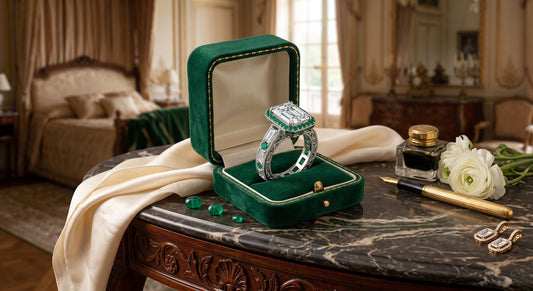
Emerald Cut Engagement Rings for Brides Seeking a Unique Diamond Shape
Post Date:
Sep 28, 2026
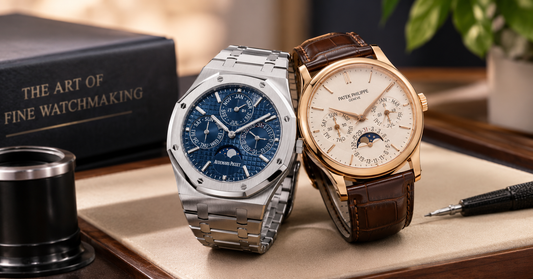
What Is a Perpetual Calendar Complication in Watches and How Does It Function?
Post Date:
Sep 18, 2026
How Jewelry Can Make Labor Day Celebrations More Meaningful
Post Date:
Sep 02, 2026
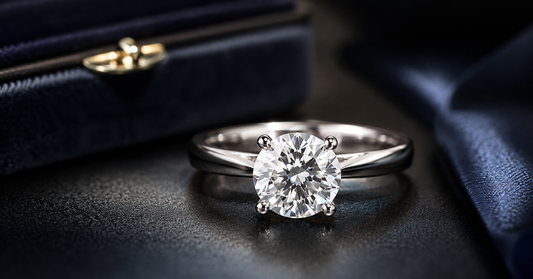
What Makes VVS Clarity Diamonds Worth the Investment for Fine Jewelry?
Post Date:
Sep 01, 2026
How Can You Choose the Right Metal for a Halo Setting Engagement Ring
Post Date:
Aug 25, 2026
Where to Buy the Best Authentic Crystal Anniversary Gifts Online
Post Date:
Aug 20, 2026
10 Popular Necklace Chain Types Every Jewelry Lover Should Know
Post Date:
Aug 11, 2026
Bracelet Size Guide: How to Measure the Perfect Fit for Men's & Women's
Post Date:
Jul 28, 2026